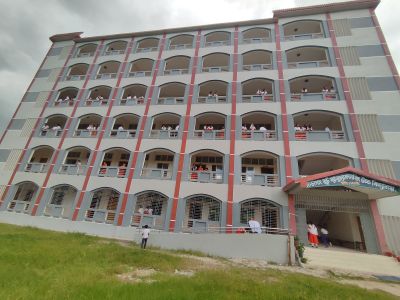
With a vision of cultivating educated and enlightened citizens as well as charismatic future leaders for a burgeoning nation, Ispahani Public School was established in 1979 under the devoted patronage of the distinguished industrialist, Late Mirza Ahmed Ispahani. The school began operations in 1981, enrolling students from KG-1 to Class-VIII in a three-storied building.
Over the years, the infrastructure has expanded to include two additional four- and five-storied buildings, which house the Secondary and Higher Secondary sections, science labs, and common rooms. Approved to introduce the Secondary level in 1983 and Higher Secondary in 1989, today IPSC is recognized as one of the nation’s top-ranked schools, with alumni contributing significantly to the nation.
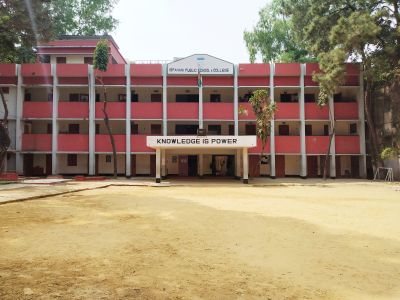
Founded by Mirza Ahmad Ispahani in 1979, Ispahani Public School & College, Cumilla, commonly referred to as IPSC, is a prominent private institution under the Cumilla Education Board. Over the years, IPSC has transformed many outstanding students into accomplished individuals, both locally and internationally.
Situated near the northeastern edge of Cumilla Cantonment, the campus covers 9.3 acres of land and is noted for its impressive buildings and disciplined environment. The college’s motto is “Enter to learn, leave to serve.”
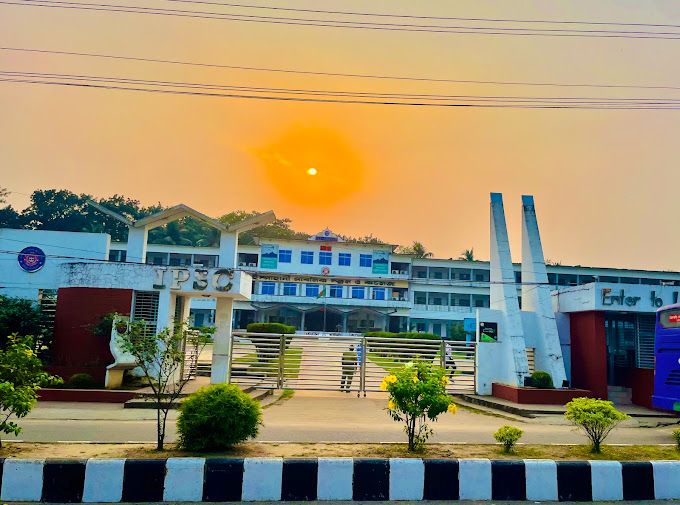
Located on New Eskaton Road, Dhaka, Ispahani Girls’ School & College is one of the most prestigious institutions in Bangladesh. With around 2,000 students, it prides itself on maintaining an inclusive environment, celebrating diversity, and supporting the holistic development of every child.
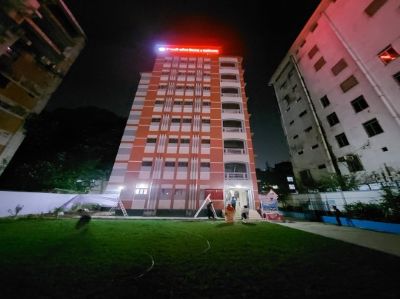
On March 12, 1987, the late Mirza Mehdy Ispahani laid the cornerstone for this institution, governed by Pahartali Textile & Hosiery Mills. Under the capable leadership of its managing committee, the school has achieved an exceptional reputation in Chattogram, particularly for its outstanding public exam results.
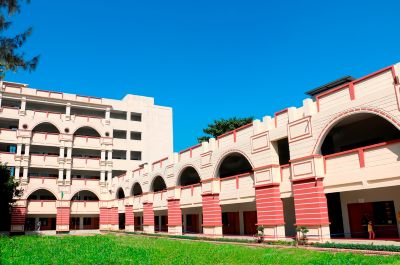
Established in 1969 by Late Mirza Ahmed Ispahani, this school initially served the children of Chittagong Jute Manufacturing Company officers and employees. Today, it provides education from nursery to 10th grade across humanities, science, and business studies, with over 1,600 students.
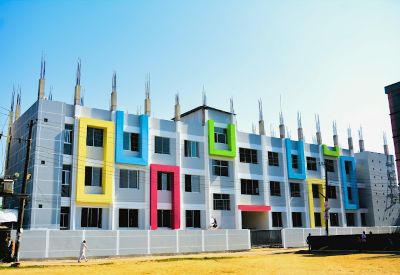
Founded in 1982, Ispahani Adarsha High School provides comprehensive education from primary to higher secondary. It balances academic rigor in humanities, science, and business studies with extracurriculars, ensuring graduates are well-rounded and prepared for success.
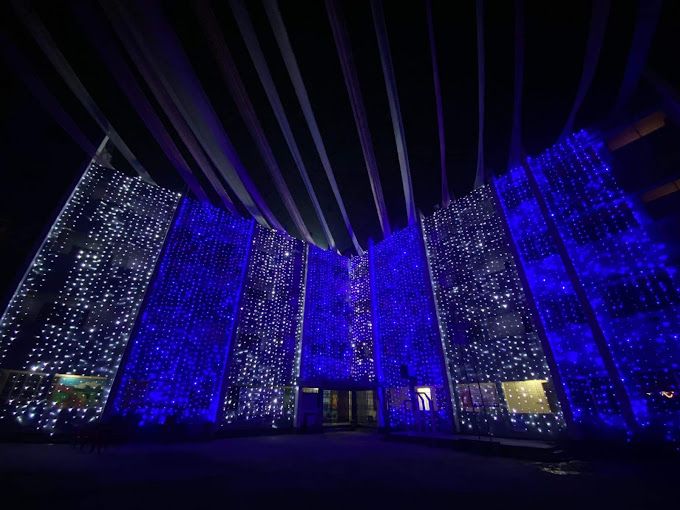
Another key institution established by the Ispahani family, this school provides quality education and has built a strong reputation through its dedication to academic excellence and character development among students.
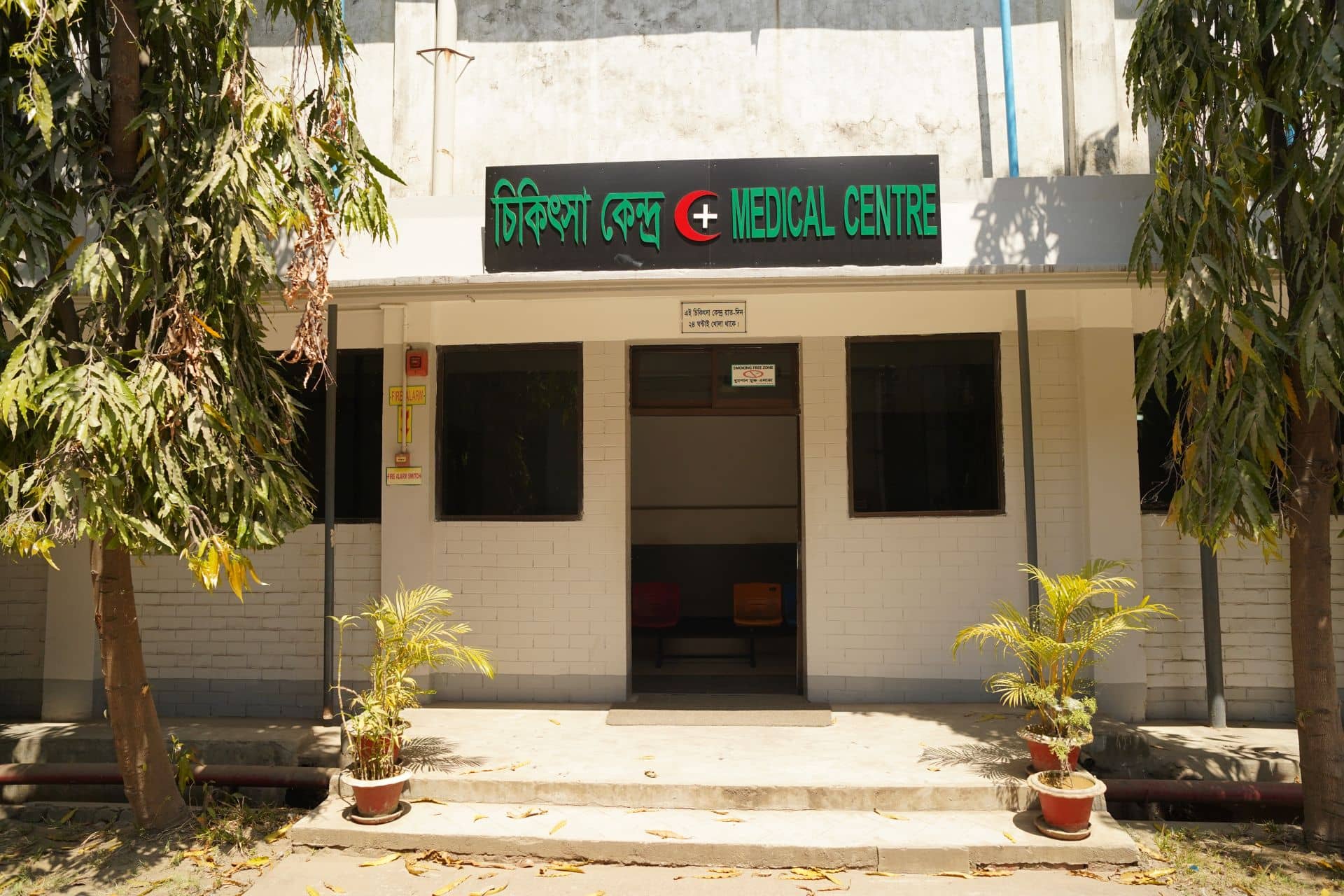
The PTL Medical Centre is dedicated to providing our valued employees with convenient and high-quality healthcare services. We understand that a healthy workforce is a productive workforce, and our centre is designed to address health needs efficiently so employees can focus on their work—creating exceptional textiles.
Services Offered:
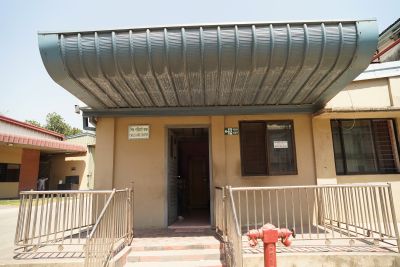
At PTL, we understand the importance of work-life balance for our employees. That’s why we’re proud to offer the PTL Child Care Centre, a nurturing and educational environment for your precious little ones. Our centre provides a stimulating and secure space for children to learn, play, and thrive. We offer separate age-appropriate rooms staffed by qualified and caring childcare professionals.
Activities and Curriculum:
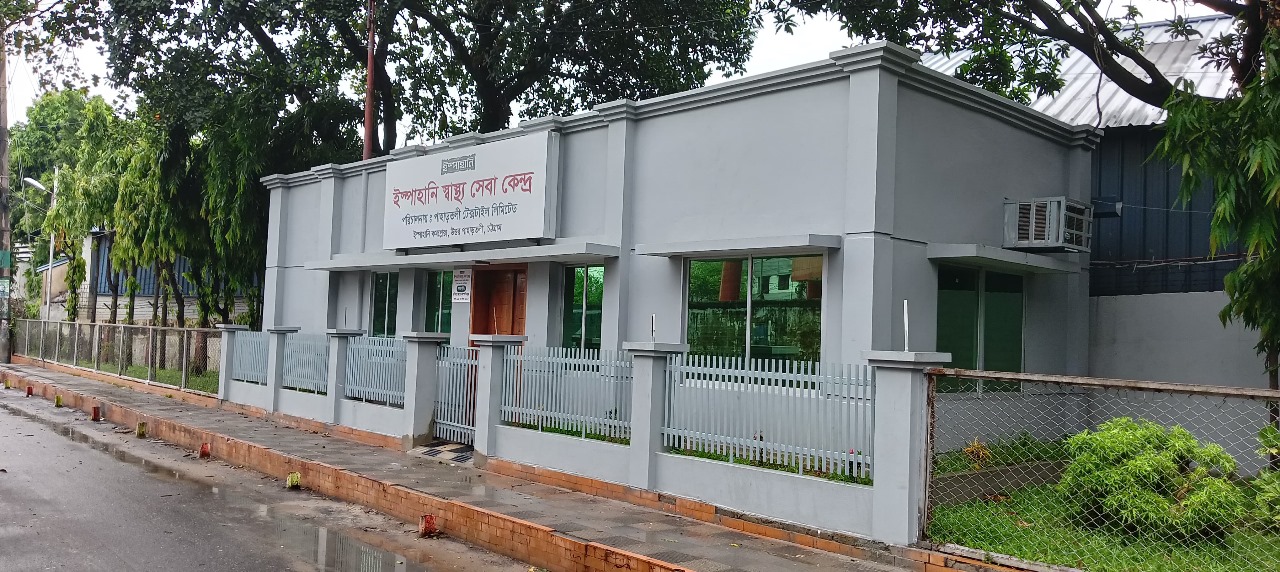
Pahartali Textile Limited believes that, while business is a priority, social welfare is a responsibility. The company is committed to a wide range of CSR activities around its plant at North Pahartali, Chattogram. These initiatives encompass responsible business operations, environmental management, and community development in areas such as education, healthcare, and employment. One notable CSR initiative is the Ispahani Shastho Sheba Kendro, an outdoor medical service centre located within the factory complex. This centre is dedicated to providing free primary health care to the local underserved population. Services include consultations, basic medicine support, vaccinations, and health counseling, with a focus on women and children. The centre operates with two full-time doctors and nurses, available from Sunday to Thursday between 9:30 AM and 4:30 PM.